How to choose a prepreg manufacturer for composite material sourcing
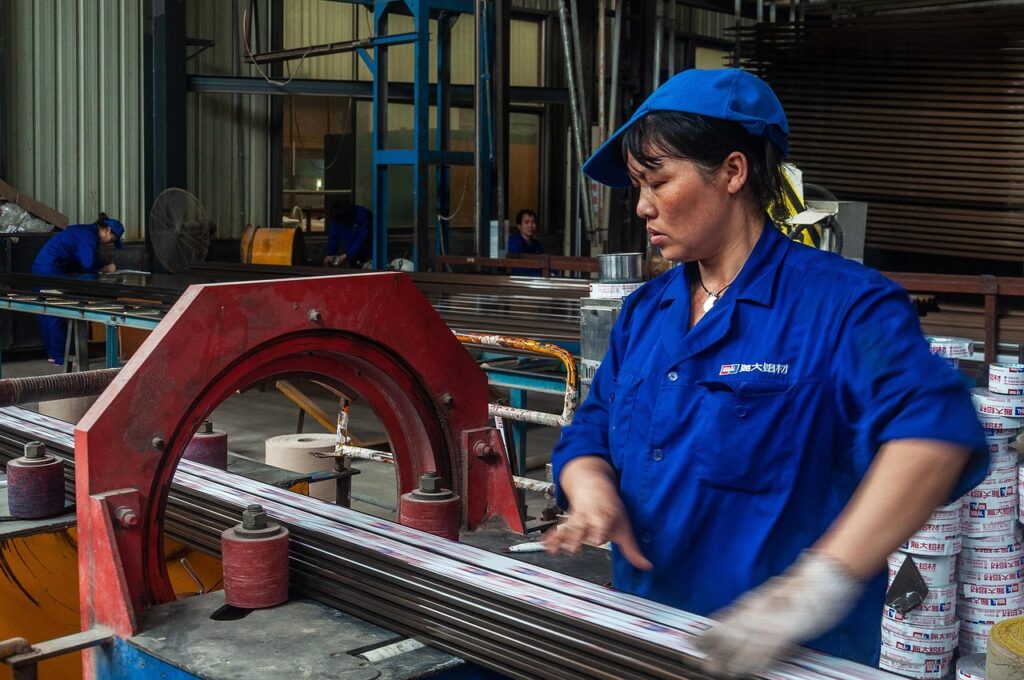
What a prepreg manufacturer must prove before price
A qualified prepreg manufacturer should prove three points before a buyer compares quotations: the material system fits the part and process, the factory can control batch-to-batch variation, and the logistics chain can protect shelf life until the material is used. Prepreg is a time- and temperature-sensitive composite material, so sourcing risk is higher than with dry fabric or commodity resin. A low unit price can become expensive if resin flow changes, tack falls outside the usable window, cold storage records are missing, or a substitute material forces new process validation. For buyers building a supplier list, the best starting point is a structured sourcing file that combines technical data sheets, certificates of analysis, storage records, test methods, quality certifications and change-control terms. For more sourcing frameworks, see the Sourcing section.
Define the material system before evaluating suppliers
A common sourcing mistake is asking for “carbon prepreg” or “fiberglass prepreg” without defining the actual material system. A prepreg is not just a reinforcement with resin on it. It is a controlled combination of fiber type, fiber architecture, resin chemistry, resin content, cure behavior, tack, drape, storage life and processing route. Two products with similar fiber areal weight can behave very differently during layup, debulk, cure and final testing.

Before contacting a prepreg manufacturer, buyers should define the minimum technical envelope. This includes reinforcement type, tow size or fabric style, areal weight, resin family, target resin content, cure temperature, pressure requirement, expected glass transition temperature, flame or smoke requirements if relevant, and whether the part will be made by autoclave, oven-only out-of-autoclave cure, compression molding, vacuum bagging or another process.
Thermoset and thermoplastic prepregs are different sourcing projects
Thermoset prepregs, especially epoxy systems, remain common in aerospace, motorsport, sporting goods, tooling and industrial composite parts. They usually require controlled storage because the resin is partially advanced and continues to age over time. Thermoplastic prepregs are processed differently and may offer room-temperature stability, weldability or higher toughness, but they often require higher processing temperatures and different consolidation equipment. A supplier that is strong in epoxy woven prepreg may not be the right supplier for PEEK, PPS, PEKK or other thermoplastic prepreg systems.
Application risk determines the level of evidence
A visual carbon cover, a drone component, a pressure-related structure and an aircraft part should not use the same sourcing checklist. For low-risk cosmetic or noncritical parts, buyers may focus on appearance, tack, handling, roll width, minimum order quantity and delivery reliability. For structural parts, the file should also include batch traceability, mechanical property data, process windows, coupon testing, material allowables if applicable, and a formal process for supplier change notification. Aerospace and defense programs may require quality systems aligned with IAQG 9100-series expectations and may also require Nadcap-related evidence for composite processes, depending on the customer and program.
Quality evidence to request from a prepreg manufacturer
Quality evidence should be batch-specific where possible. A generic brochure may help with early screening, but it is not enough for production sourcing. The buyer should request a current technical data sheet, safety data sheet, certificate of analysis, lot number format, shelf-life statement, storage temperature requirement, out-time definition, cure cycle, recommended debulk guidance and change-control policy. If the manufacturer uses internal test methods, the buyer should ask how those methods correlate with recognized standards or customer specifications.
Standards bodies such as ASTM International publish test methods that are commonly referenced in prepreg evaluation. Public ASTM summaries identify D3529-16(2021) for constituent content of composite prepreg, D3530 for volatile content, D3531/D3531M-24 for resin flow of carbon fiber-epoxy prepreg, and D3532/D3532M-19 for gel time. These standards do not replace a buyer’s specification, but they help define measurable properties instead of relying on subjective descriptions such as “good flow” or “easy handling.”
| Evidence to request | Why it matters | What to check |
|---|---|---|
| Certificate of analysis | Shows batch-level conformance instead of only catalogue claims | Lot number, test values, acceptance limits and test date |
| Resin content and fiber areal weight | Affects laminate thickness, fiber volume fraction, flow and part weight | Nominal value, tolerance and test method |
| Volatile content | High or inconsistent volatiles can affect voids and cure quality | Reported percentage and applicable method |
| Resin flow and gel time | Indicate processing behavior under heat and pressure | Test conditions, limits and trend by batch |
| Shelf life and out life | Controls usability from receipt through layup and cure | Storage temperature, remaining life on arrival and out-time recording rules |
| Change notification | Prevents unapproved changes in fiber, resin, process or site | Notification period, approval requirement and requalification trigger |
For regulated or safety-critical applications, FAA Advisory Circular AC 23-20 is a useful reference because it explains the importance of material procurement and process specifications for polymer matrix composite systems. The document is guidance rather than a mandatory regulation, but its logic is relevant beyond aviation: composite performance depends on disciplined control of material inputs, processing conditions and documentation.
Manufacturing capability is more than a product list
A prepreg manufacturer’s catalogue can show available products, but sourcing decisions should examine how those products are made and controlled. Important questions include whether the supplier uses hot-melt or solvent impregnation, how resin film thickness is controlled, how fiber alignment is monitored, how edge quality is managed after slitting, and whether the line can maintain consistent tack and resin distribution across the full roll width. Buyers should also ask whether the supplier manufactures the resin, purchases formulated resin, or converts third-party resin and fiber into prepreg.
Process capability matters because prepreg defects are not always obvious at incoming inspection. Resin-rich zones, resin-starved areas, fiber distortion, wrinkles, contamination, poor backing paper release, inconsistent tack or excessive edge fray can create downstream scrap. The supplier should be able to explain its in-process inspection points and release criteria. For narrow slit tape, check width tolerance and splice rules. For woven fabric prepreg, check fabric distortion limits, roll length, backing type and whether the product is supplied for hand layup, automated cutting or automated placement.
Match cure route to the buyer’s equipment
A material designed for autoclave pressure may not perform the same way in an oven-only vacuum-bag process. Likewise, a low-temperature cure system may be attractive for tooling or temperature-sensitive molds but may not deliver the same high-temperature performance as a higher-cure structural system. The sourcing file should match the prepreg manufacturer’s recommended cure cycle to the buyer’s actual equipment, including ramp rate, dwell time, vacuum level, pressure, maximum tool temperature and cool-down control.
Ask about scale-up before approving a small sample
A small sample can confirm handling, but it may not prove production stability. Buyers should ask whether the sample came from a standard production lot or a lab run. If future orders require wider rolls, longer rolls, different backing, tighter resin content, custom fiber areal weight or private labeling, those requirements should be discussed before approval. A supplier that can ship one trial roll quickly may still struggle with recurring production, export documentation, cold-chain packaging or change management.
Storage, shelf life and logistics can decide the real cost
Prepreg sourcing is also a cold-chain project. Manufacturer technical literature from major prepreg suppliers commonly defines freezer life, room-temperature out life and handling rules for avoiding condensation. The exact temperature and duration are product-specific. For example, some technical data sheets describe freezer storage around -18°C or below 10°F, while other systems have different limits. Buyers should never assume that one epoxy prepreg’s shelf life applies to another resin system.
The purchase order should state the minimum remaining shelf life required on arrival, packaging requirements, temperature monitoring expectations and what happens if a shipment is delayed. For international sourcing, the importer should verify whether dry ice, refrigerated transport, insulated packaging or immediate freezer transfer is required. If customs clearance can take several days, logistics planning is part of technical quality control, not just an administrative task. See also: Application.
Handling after delivery is just as important. Rolls should remain sealed while warming to room temperature if the manufacturer recommends that practice, because opening a cold roll can allow moisture condensation on the material. Operators should record accumulated out time each time the material leaves controlled storage. If a roll exceeds its stated out life or shelf life, it should not be used in structural production unless the buyer has an approved retest, concession or requalification process.
Use a sourcing matrix instead of a simple price comparison
A structured scoring matrix helps buyers compare prepreg manufacturers with different strengths. The weightings below are not universal, but they show a practical way to avoid overvaluing price while undervaluing qualification risk.
| Category | Suggested weight | What a strong supplier shows |
|---|---|---|
| Material fit | 25% | Resin, fiber, cure route and performance range match the application |
| Quality documentation | 20% | Batch COA, traceability, clear tolerances and recognized test methods |
| Process capability | 20% | Stable impregnation, roll quality, slitting control and production repeatability |
| Storage and logistics | 15% | Defined shelf life, out-life control, cold-chain packaging and shipping plan |
| Commercial reliability | 10% | Realistic lead time, MOQ, payment terms and export support |
| Change control and support | 10% | Notification of material or process changes and technical response after delivery |
This type of matrix is especially useful when comparing an established prepreg manufacturer with a lower-cost emerging supplier. The emerging supplier may be suitable for noncritical applications, development work or cost-sensitive parts, but the approval path should be explicit. If a buyer must repeat process trials, revalidate cure cycles or increase incoming testing, those costs should be included in the sourcing decision.
Red flags to investigate before placing an order
Several warning signs deserve extra review. A supplier that cannot provide a batch-specific certificate of analysis may be acting as a trader rather than the actual prepreg manufacturer. That is not automatically unacceptable, but the buyer should know who controls production and who is responsible for nonconformance. A supplier that offers expired material without a retest plan may be suitable only for noncritical experimentation, not production. A supplier that changes backing paper, fiber source, resin formulation or production site without notice can create hidden qualification risk.
- No clear distinction between shelf life, freezer life and out life.
- Only marketing data available, with no batch test values or tolerances.
- Unclear lot traceability from fiber and resin to finished prepreg roll.
- No written storage or thawing instructions.
- Resistance to change-control language in the purchase agreement.
- Claims of universal compatibility with autoclave, oven, press and room-temperature processes without supporting data.
- Very low pricing that depends on surplus, aged or untraceable stock.
The goal is not to reject every supplier with a gap. The goal is to classify the gap correctly. Some gaps can be closed with additional documentation, incoming testing or a limited trial. Others, such as missing traceability for a structural application, may make the supplier unsuitable for that project.
Frequently asked questions
What is the difference between a prepreg manufacturer and a distributor?
A prepreg manufacturer controls impregnation, process parameters and release testing for the material. A distributor or converter may stock, cut, slit, repackage or resell prepreg made by another company. Distributors can add value through availability and service, but buyers should still confirm who owns the material specification, batch data and change-control responsibility.
Does every buyer need AS9100 or Nadcap evidence?
No. AS9100 and Nadcap-related evidence are most relevant to aviation, space, defense and other high-control supply chains. Industrial, sporting goods, marine or cosmetic composite applications may not require them. However, even non-aerospace buyers can benefit from the same principles: traceability, documented controls, defined test methods and formal handling rules.
How much remaining shelf life should be required on delivery?
There is no single number that fits all prepregs. The requirement should reflect the material’s stated shelf life, transit time, production schedule and qualification risk. Many buyers set a minimum remaining shelf-life percentage or a minimum number of months on arrival, then require written approval before accepting shorter-dated material.
Can a buyer switch prepreg manufacturers without revalidation?
For noncritical parts, a limited process trial may be enough. For structural, certified or tightly controlled parts, switching manufacturers is usually a material change that can affect resin flow, cure behavior, laminate thickness, void content and mechanical properties. The safer approach is to define a revalidation plan before approving the substitute.
What sample should be requested first?
Request a sample from a normal production lot, not only a hand-prepared demonstration piece. The sample should come with the technical data sheet, safety data sheet, lot number, storage condition, remaining shelf life and any available certificate of analysis. If the future order requires slit tape, wide fabric or special packaging, sample the same format whenever possible.