What Is the Most Valuable Application of Carbon Fibre in Modern Industry?

If you are comparing advanced materials for a new product, the application of carbon fibre should start with one simple question: how much value do you gain by removing weight without giving up strength? For more material use cases, you can also visit the Applications section for related industrial ideas.
The short answer is that aerospace remains the benchmark. Yet carbon fibre also earns its place in electric vehicles, hydrogen tanks, wind blades, building repair, robotics, medical devices, and sports goods. NASA’s Technology Transfer materials list aerospace components, composite pressure vessels, wind turbine blades, automotive components, prosthetics, sporting equipment, and construction reinforcement as possible uses where strength-to-weight ratio matters. That is a good starting map, not a sales slogan.
Why Does Carbon Fibre Fit High Value Applications?
Carbon fibre is not a magic black fabric. It is usually a reinforcement inside a polymer resin, forming CFRP, or carbon fibre reinforced polymer. The fibre carries much of the load, while the resin keeps fibres in position and transfers stress. This pairing gives designers a material that can be tailored, but it also asks for careful design rules.
Strength to Weight Advantage
The main reason you choose carbon fibre is mass reduction. In transport, each kilogram removed may cut fuel use, extend range, or allow more payload. The U.S. Department of Energy states that a 10% reduction in vehicle weight can improve fuel economy by 6% to 8%, and that lightweight materials such as carbon fiber and polymer composites can reduce the weight of a vehicle body and chassis by up to 50%. Source: U.S. Department of Energy, Lightweight Materials for Cars and Trucks, accessed July 2026.
Stiffness That Holds Shape
Stiffness is often just as important as strength. A wing skin, robot arm, inspection beam, or machine roller must keep its shape under load. Carbon fibre can be laid in selected directions, so the part resists bending or twisting where the load is known. This is why a thin composite tube can feel surprisingly rigid in the hand. It is not only light; it stays where the engineer wants it to stay.
Corrosion Resistance and Fatigue Life
Carbon fibre composites do not rust like steel and do not suffer galvanic or fatigue behavior in the same simple way as metals. That helps in marine parts, bridge strengthening, chemical plant covers, and exterior vehicle panels. Still, you must check UV exposure, resin temperature limits, impact damage, and contact with metals. Good composite design is practical, not romantic.
Which Application of Carbon Fibre Matters Most in Aerospace?
Aerospace is the best-known high-value field because every gram affects fuel burn, payload, range, and emissions over many flight cycles. Aircraft parts also justify higher material and process costs because the operating savings can last for decades.
Composite Airframes in Long Haul Jets
Modern long-haul aircraft show how far CFRP has moved from niche panels to major structures. Airbus states that the A350 Family uses 53% carbon fibre reinforced polymer in the fuselage, wings, and tail. Boeing states that the 787 Dreamliner airframe is about 50% composites by weight, with carbon-fiber composites helping reduce fuel use and maintenance needs. Sources: Airbus A350 Family product information, 2025; Boeing 787 Dreamliner By Design, accessed July 2026.
Wings That Carry Load With Less Mass
A wing is a demanding test for any material. It bends, twists, vibrates, and faces moisture, cold air, heat on the runway, and inspection cycles. Carbon fibre works well here because fibre direction can follow load paths. The result is not simply a lighter wing. It can support a more efficient wing shape, which matters on routes where an aircraft spends long hours in cruise.
Spacecraft, Drones, and Flight Test Parts
Spacecraft frames, satellite panels, drone arms, fairings, and test rigs also benefit from light and stiff structures. NASA has described research into carbon fibre composite aerostructures for ultra-light wings that can adapt during flight testing. Source: NASA Ames MADCAT program article, 2017. For small UAV makers, the same logic appears at a smaller scale: a rigid frame helps sensors stay aligned, even when motors vibrate and the weather is not kind.
How Does Carbon Fibre Change Automotive and Mobility Design?
Automotive use is more selective than aerospace use. A family car cannot carry aerospace-grade cost in every panel. You choose carbon fibre where it gives a clear business case: battery range, crash performance, premium feel, hydrogen storage, or racing-level stiffness.
Lower Vehicle Mass and Energy Use
For internal combustion vehicles, lower mass can cut fuel use. For electric vehicles, it can support range or let designers use smaller battery packs for the same target distance. The DOE’s 6% to 8% fuel economy gain for each 10% vehicle weight reduction gives a useful public benchmark. It does not mean every carbon fibre part pays for itself, but it shows why mass matters so much in mobility.
Battery Protection and Premium Body Parts
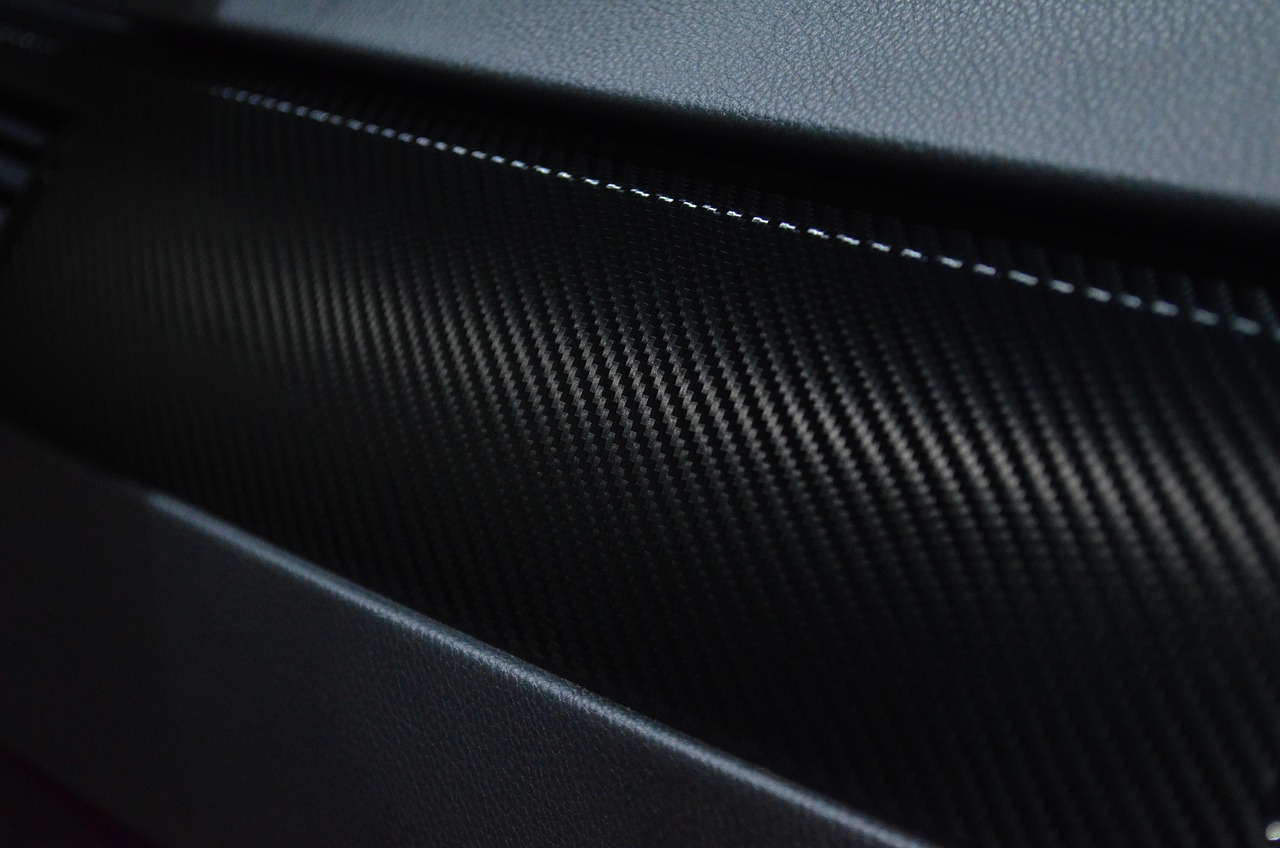
Carbon fibre can appear in battery enclosures, seat shells, roof panels, hoods, side panels, and structural inserts. The nice glossy weave seen on luxury cars is only the visible part. In real engineering, the hidden layup, resin choice, and crash behavior matter more than the surface pattern. A tiny note from the workshop floor: the most expensive-looking weave is not always the strongest choice for the job.
Hydrogen Tanks With 700 Bar Storage
Hydrogen mobility is another important application of carbon fibre. The U.S. Department of Energy says near-term onboard automotive physical hydrogen storage uses 350 bar and 700 bar nominal working-pressure compressed gas vessels. It also notes that research focuses on cutting the cost of the fiber reinforced composite portion of the pressure vessel. Source: U.S. Department of Energy, Physical Hydrogen Storage, accessed July 2026. In plain terms, the tank must hold very high pressure without becoming too heavy.
Where Does Carbon Fibre Help Energy and Infrastructure Projects?
Outside transport, carbon fibre is chosen when long spans, repeated loads, or field repair make weight and durability more valuable than cheap raw material. Energy and infrastructure projects often look conservative, but the right composite part can solve a stubborn problem.
Longer Wind Blades With Lighter Spar Caps
Wind turbine blades need stiffness because longer blades can capture more wind energy, yet weight rises fast as blades grow. Sandia National Laboratories reported that carbon fiber blades could be longer than fiberglass ones and capture more energy in low-wind locations. The same report said calculations predicted about 40% material cost savings for a spar cap made from a novel low-cost carbon fiber compared with commercial carbon fiber. Source: Sandia National Laboratories news release, 2020.
Reinforced Concrete and Bridge Repairs
Carbon fibre sheets and strips are often bonded to concrete beams, columns, walls, and bridge elements to add tensile strength without adding much dead load. This is useful when access is tight, downtime is costly, or extra steel plates would be too heavy. Engineers still need site testing, surface preparation, fire protection checks, and local code review. The material is light, but the responsibility is not. See also: Materials.
Industrial Rollers, Robotic Arms, and Machine Parts
In factories, carbon fibre can reduce rotating mass in rollers, speed up pick-and-place robot arms, and improve the response of inspection gantries. Less inertia means faster motion and less motor load. It also helps long arms settle faster after movement. If a camera needs to stop shaking before every measurement, stiffness becomes money.
When Should You Choose Carbon Fibre Instead of Metal or Glass Fibre?
The right material depends on the part, not on fashion. Carbon fibre can beat aluminum, steel, and glass fibre in one design and lose badly in another. The smart choice starts with loads, cost, production volume, and inspection needs.
Choose It for Mass Critical Parts
Carbon fibre is a strong candidate when mass reduction brings direct value. Good examples include aircraft structures, racing parts, premium EV panels, prosthetic limbs, fast-moving machine arms, long tubes, and pressure vessels. These parts pay back through range, speed, comfort, payload, or lower energy use.
Avoid It for Low Cost Commodity Parts
If the part is small, lightly loaded, hidden, and price-sensitive, carbon fibre may be the wrong answer. Glass fibre, aluminum, or engineered plastic may do the job for less money. Tooling, curing time, scrap, inspection, and skilled labor all matter. A cheap bracket does not become a better product just because it turns black.
Check Heat, Impact, and Repair Needs
Carbon fibre composites depend heavily on resin choice. A part near an engine, brake system, or hot industrial process may need a high-temperature resin. Impact is another concern because internal delamination can be hard to see. Repairs are possible, but they require trained workers and process control. If field repair must happen with basic tools, metal may still win.
How Can You Specify Carbon Fibre Parts for Real Production?
Good composite projects do not start with a fabric catalog. They start with what the part must do on a normal Tuesday, after thousands of cycles, in heat, rain, vibration, dust, or careless handling. That practical view saves time.
Start With Load Cases and Service Conditions
List tensile loads, compression, bending, torsion, impact, fatigue cycles, chemical exposure, temperature range, and allowed deflection. Also define what failure means. Is it a crack, a leak, a loss of stiffness, a visual defect, or a complete break? Clear targets help the material supplier and part maker choose the right laminate.
Pick the Right Fibre Form and Resin
Common options include unidirectional tape, woven fabric, multiaxial fabric, prepreg, pultruded profiles, chopped fibre compounds, and filament winding. Each one fits a different job. You may use:
- Unidirectional fibre for load paths that run mainly one way.
- Woven fabric for balanced panels and better handling during layup.
- Filament winding for tubes, drive shafts, and pressure vessels.
- Thermoplastic composites when faster forming or recyclability matters.
Plan Inspection, Tooling, and Recycling
Production planning should cover tool cost, cure method, trimming, drilling, bonding, non-destructive inspection, and end-of-life handling. NREL has published research on recyclable thermoplastic wind blade materials and faster production cycles, showing that recyclability is becoming part of composite design, not an afterthought. Source: National Renewable Energy Laboratory wind blade research, 2020 to 2023.
FAQ
Q1: What Is the Main Application of Carbon Fibre? A: Aerospace is the leading high-value application because weight savings affect fuel burn, range, payload, and maintenance over a long service life.
Q2: Is Carbon Fibre Better Than Aluminum? A: It can be better when low weight and high stiffness matter, but aluminum may be cheaper, easier to repair, and better for high-volume simple parts.
Q3: Why Is Carbon Fibre Used in Hydrogen Tanks? A: High-pressure hydrogen tanks need strong, light composite reinforcement, especially for 350 bar and 700 bar storage systems used in mobility.
Q4: Can Carbon Fibre Be Used in Construction? A: Yes. Carbon fibre sheets, plates, and strips can strengthen concrete, masonry, and steel structures when low added weight and corrosion resistance are useful.
Q5: What Should You Check Before Buying Carbon Fibre Parts? A: Check load direction, resin temperature rating, impact risk, inspection method, repair plan, production volume, and the real value of each kilogram saved.