Why Is the Application of Jute Fiber Composites Growing in Automotive, Packaging and Construction?
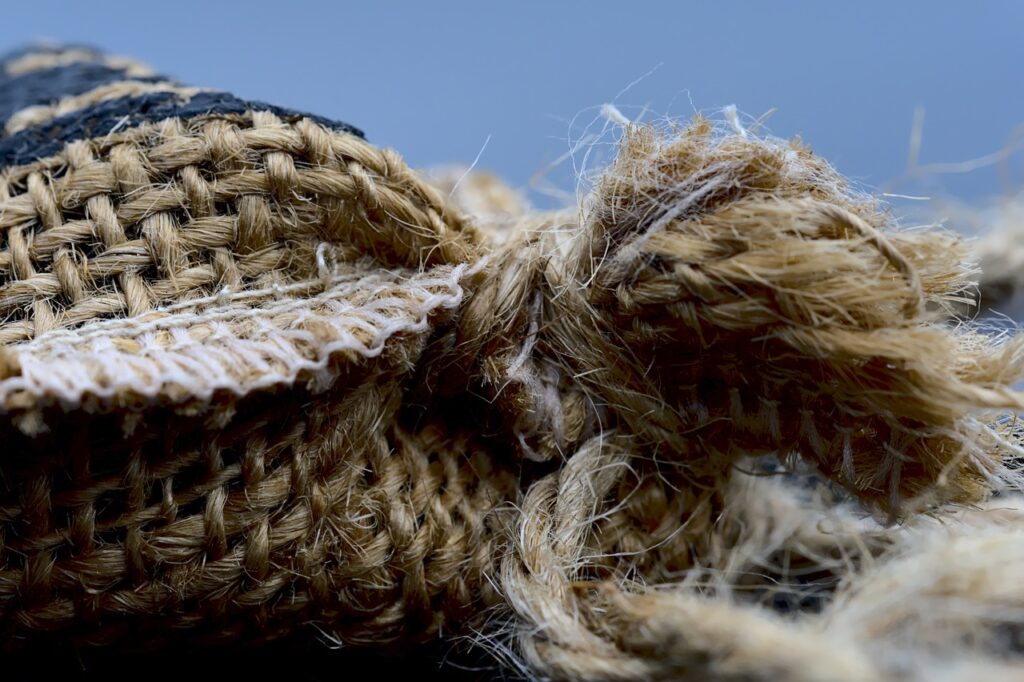
Why Is the Application of Jute Fiber Composites Gaining Attention?
The application of jute fiber composites is getting more buyer attention because a renewable bast fiber can be mixed with polymer, bio-resin, cementitious, or hybrid systems and made into usable parts for transport, building, packaging, and consumer goods. If you are checking new material options for export projects, the Applications section is a practical starting point. The buying question is not whether jute is green in a loose way. It is whether it can do the job well enough to replace heavier, more expensive, or harder-to-recycle materials.
The public numbers give some backing, but they also point to limits. FAO publications describe jute as a major natural fiber crop, with production long centered in India and Bangladesh, while the FAOSTAT agricultural production domain still tracks jute and jute-like fibers as crop commodities. A 2025 peer-reviewed review indexed in PubMed Central reports that jute fiber normally contains about 60–70% cellulose, 12–14% hemicellulose, and 5–10% lignin. That makeup helps explain its stiffness, moisture behavior, and processing limits.
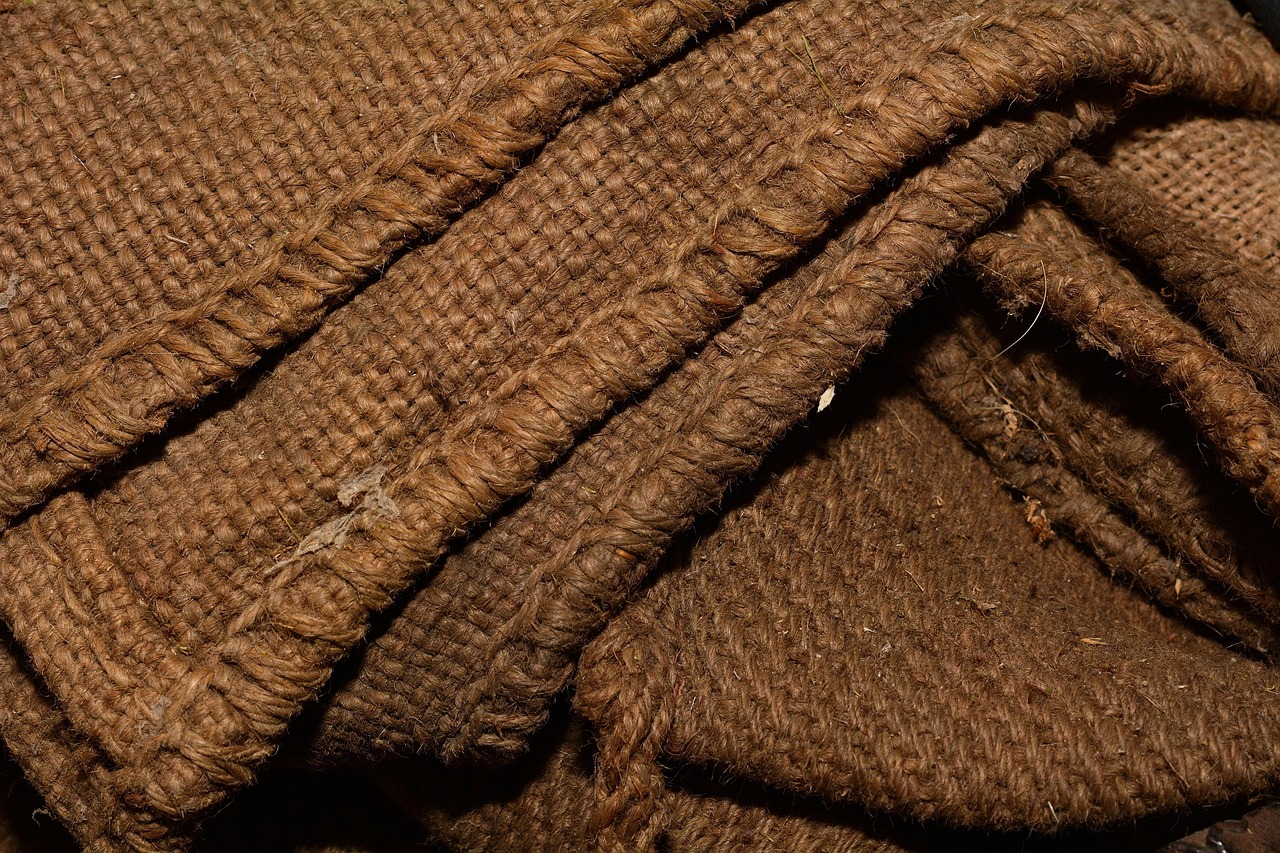
Renewable Fiber With a Practical Supply Base
Jute is not a lab-only fiber. It already has a long farming and textile base, and that helps when a buyer needs repeat supply. FAO material on raw jute notes that Bangladesh and India have long accounted for the dominant share of world raw jute production. For purchasing teams, this means jute can be sourced at industrial scale, although quality still changes with crop, retting, storage, and yarn or fabric form. Ask whether the supplier uses chopped fiber, woven fabric, nonwoven mat, yarn, or hybrid reinforcement, because each form gives a different result in the finished part.
Useful Strength at Lower Weight
Jute composites make sense when you need stiffness without the weight of metal or the abrasive processing behavior of glass fiber. The PubMed Central review lists experimental jute epoxy laminates with tensile strength around 216 MPa and tensile modulus around 31 GPa in one unidirectional epoxy example. It also reports woven jute polypropylene results around 68 MPa tensile strength at 50% fiber weight in one study. These values do not make jute a direct replacement for every glass or carbon composite, but they are enough for many panels, trims, covers, boards, and semi-structural parts.
A Fit for Circular Material Strategies
Policy and waste pressure are also moving natural fiber composites into more discussions. The OECD Global Plastics Outlook, published in 2022, estimated that global plastic waste reached 353 million tonnes in 2019 and that packaging made up 42% of plastic waste. This does not mean every plastic part should be replaced with jute. It does mean buyers are asking for lower-impact materials, clearer end-of-life routes, and less use of virgin resin. Jute composites fit better when the part design is simple, the service life is known, and the part can be recycled, reused, or handled safely after use.
Where Do Jute Composites Work Best in Automotive Parts?
Automotive use is often the easiest case to see because weight matters in every program. The U.S. Department of Energy states that a 10% reduction in vehicle weight can improve fuel economy by about 6–8%, depending on the vehicle and system. Electric vehicles also care about weight because mass affects range, handling, and battery load. Jute composites usually enter this sector through interior and low-load parts first, not crash-critical structures.
Door Trim and Seat Back Panels
Door trim, seat backs, and side panels are common starting points. These parts need stiffness, dimensional stability, good surface finish, and reasonable impact behavior, but they usually do not carry the same loads as chassis or suspension parts. A jute polypropylene or jute polyester panel can be compression molded into a stable shape, then covered, painted, or laminated. The material gives a warmer and less brittle feel than many mineral-filled plastics. It sounds like a small detail, but anyone who has handled a weak cargo liner knows stiffness is not only a lab number; it affects perceived quality.
Dashboards, Parcel Shelves, and Liners
Dashboards, parcel shelves, trunk liners, and headliner backing boards can use jute when acoustic damping and weight reduction are part of the target. The 2025 PubMed Central review notes that jute fibers can add thermal and acoustic insulation to composite systems. That helps in cars, buses, vans, and light commercial vehicles where cabin noise, vibration, and heat are noticed by the user. Still check odor, fogging, flame rating, and heat aging, because natural fibers can give problems if they are dried, stored, or processed in the wrong way.
Hybrid Jute Glass Parts for Higher Loads
When a part needs more strength, jute can be paired with glass fiber, basalt fiber, or another reinforcement. Hybrid design lets you put glass on the outside layer for impact or stiffness and keep jute inside for weight and cost control. This is normal composite engineering: use the stronger or more expensive material only where it is doing real work. For export programs, ask for bending, impact, heat aging, and moisture aging results, not only a clean sample board.
How Can Construction Products Use Jute Composites?
Construction moves more slowly than consumer goods, but its material use is large. UNEP and the Global Alliance for Buildings and Construction reported in the 2025–2026 Global Status Report that buildings and construction account for around 37% of global CO2 emissions and nearly 50% of global material extraction. That is why buyers and product teams are looking at jute boards, fiber-reinforced mortars, insulation panels, and lower-weight sheets.
Partition Boards and Wall Panels
Jute reinforced polymer boards can be used for interior partition panels, decorative boards, acoustic panels, and backing sheets. They are not a simple replacement for plywood, gypsum, or cement board, but they can compete where light weight, screw holding, moderate stiffness, and lower resin content are needed. In dry indoor use, a jute mat with PP, polyester, or bio-based resin can give a workable balance of cost and handling. For humid regions, edge sealing matters a lot. One unsealed corner can damage an otherwise acceptable panel.
Roofing Sheets and Ceiling Panels
Roofing and ceiling sheets need stronger water resistance and UV stability than interior boards. Jute can work in these products if the resin protects the fiber well and the surface layer blocks water ingress. Some research summarized in the PubMed Central review points to roofing sheets and lightweight construction panels as common jute composite targets. Even so, outdoor use should be treated as a tougher specification. Ask about water absorption, freeze-thaw exposure if needed, heat cycling, and long-term warpage.
Mortar, Concrete, and Retrofitting Mixes
Jute fiber has also been tested in cementitious systems, including mortar, concrete, pavement, and retrofitting materials. The target is usually crack control, toughness, and thermal behavior, not high structural strength. Peer-reviewed work cited in recent reviews includes jute fiber-reinforced mortars and recycled jute composite mortar for thermal and structural retrofitting. If your project involves public buildings, bridges, or regulated construction, do not buy on general claims. You need local code approval, fire data, durability tests, and engineer sign-off.
Can Jute Composites Improve Packaging and Logistics?
Packaging is one of the easier areas to understand because the waste issue is well recorded. The OECD Global Plastics Outlook data for 2019 shows packaging as a large share of plastic waste because many packaging items are used for a short time. Jute composites can help when packaging needs to be reusable, stiff, and less dependent on virgin plastic. The part still has to match the real handling cycle.
Returnable Trays and Protective Inserts
Returnable trays, divider boards, and protective inserts can use jute reinforced PP or polyester when repeated handling is needed. Compared with thin single-use plastic, a thicker jute composite insert can last through more trips and protect heavier goods. This can be useful for appliance parts, metal fittings, glassware, and export cartons where damage costs more than the insert. Check drop tests, corner crush behavior, and cleaning method, especially if the trays move between factories.
Pallet Decks, Crates, and Dunnage
Jute composite sheets can also work as pallet deck layers, crate panels, and dunnage boards. They are not always cheaper than wood or recycled plastic, but they can give a cleaner, molded, splinter-free surface. In export logistics, that can matter because wooden packaging may trigger fumigation or phytosanitary rules. A molded jute composite component can reduce that work, although destination-country rules still need to be confirmed before shipment.
Food Adjacent Packaging With Careful Testing
Food adjacent use needs extra care. Jute fiber itself is plant-based, but the resin, additives, colorants, release agents, and surface coatings decide whether a package can touch food or sit close to food. Public sources do not give one universal approval for all jute composites. For food packaging, ask for migration testing, odor testing, and declaration documents based on the target market, such as EU or U.S. requirements. If the supplier cannot identify the resin system, do not move forward. See also: Materials.
What Should You Check Before Choosing Jute Composites?
Jute composites can be practical, but they are not a universal material. Natural fiber brings moisture sensitivity, quality variation, and processing limits. The same PubMed Central review notes that moisture absorption, fiber quality, and production cycle time remain key obstacles for wider industrial use. A good supplier should talk about these points directly instead of hiding behind a green label.
Moisture Uptake and Surface Treatment
Jute contains hydroxyl groups, so it takes up water more readily than glass fiber. That can weaken bonding and cause swelling if the composite is poorly made. Alkali treatment, silane treatment, compatibilizers such as maleic anhydride grafted PP, and good drying can improve bonding. Treatment also needs control, because it can damage fibers if it is too strong or too long. Ask for water absorption data after 24 hours, 7 days, and any service condition your product will face.
Resin Choice and End of Life
PP, PE, polyester, epoxy, PLA, and other resin systems all behave differently. PP is common for molded automotive and packaging parts. Polyester and epoxy can give strong laminates, but thermoset recycling is harder. PLA may help when a bio-based position is important, yet heat resistance and moisture behavior must be checked. The right choice is not the resin with the nicest brochure. It is the one that matches your service temperature, load, appearance, cost, and end-of-life plan.
Manufacturing Method and Fiber Direction
Manufacturing method changes the result. Hand lay-up suits prototypes and low-volume panels. Compression molding suits mats and sheets. Injection molding works with short fibers. Pultrusion fits constant profiles. Resin transfer molding can give better fiber wetting for higher-quality laminates. Fiber direction also matters. A woven jute fabric can carry loads in two directions, while chopped fiber gives easier flow but lower directional strength. For a real order, ask for the process route before asking for the lowest price.
How Do You Match Jute Composite Grades to Your Product?
The safer way to select a jute composite is to sort the part by risk. A decorative panel, a reusable tray, and a semi-structural vehicle bracket should not use the same approval path. Public data gives useful ranges, but the final decision should depend on test pieces made with your part geometry and your service conditions.
Non Structural Parts Need Balanced Cost
For decorative panels, covers, trays, liners, and furniture backs, you can often focus on thickness, flatness, screw holding, surface quality, smell, and basic bending strength. In these parts, jute composites compete on feel, weight, and cost. A buyer should request samples from at least two fiber forms, such as nonwoven mat and woven fabric, because the difference can be clear in the hand even before lab testing.
Semi Structural Parts Need Test Data
Semi-structural parts need stricter checking. Ask for tensile, flexural, impact, heat aging, water absorption, and fatigue data. If the part will be bonded, request lap shear or peel test results using the actual adhesive. If the part will be screwed or riveted, check hole strength and creep. Natural fiber composites can perform well, but poor fastener design can make a good material look bad.
Export Projects Need Clear Documentation
Export buyers should ask for a material data sheet, resin name, fiber percentage, processing method, color and coating details, test standards, and compliance statements. For automotive, flame and fogging tests may be needed. For construction, fire, smoke, water, and code documents may be needed. For packaging, contact safety and recycling claims must be documented. There is no reliable public database that ranks every jute composite application by global sales volume, so claims about largest use should be treated carefully unless a supplier provides verifiable market data.
FAQ
Q1: What Is the Main Application of Jute Fiber Composites? A: The main applications include automotive interior panels, construction boards, packaging inserts, furniture panels, and lightweight consumer goods. Automotive and construction get more technical attention because weight, stiffness, and material impact are important in those parts.
Q2: Can Jute Fiber Composites Replace Glass Fiber Composites? A: They can replace glass fiber in some non-structural and semi-structural parts, especially where weight, cost, and lower tool wear matter. For high-load, high-heat, or safety-critical parts, glass, carbon, basalt, or hybrid reinforcement may still be needed.
Q3: Are Jute Fiber Composites Waterproof? A: Not by default. Jute absorbs moisture, so the resin system, surface treatment, edge sealing, and coating decide water resistance. Always request water absorption and aging test data before outdoor or humid use.
Q4: Which Resin Works Best With Jute Fiber? A: PP is common for molded industrial parts, polyester and epoxy suit many laminates, and PLA is used when a bio-based angle is important. The best resin depends on heat resistance, strength, tooling, cost, and end-of-life requirements.
Q5: What Should You Ask a Supplier Before Ordering? A: Ask for fiber type, fiber content, resin grade, manufacturing method, mechanical data, moisture data, flame data if needed, sample approval, and export compliance documents. A serious supplier should answer these questions clearly.