How Can You Choose Reliable Carbon Fiber Manufacturers for Global Sourcing?
How Can You Choose Reliable Carbon Fiber Manufacturers for Global Sourcing?
Choosing carbon fiber manufacturers is not just a price job. You are buying strength, weight savings, stable processing, and fewer surprises during molding or machining. If you manage overseas purchasing, a clear checklist saves time before samples start moving. For more material buying ideas, you can also visit the Sourcing section.
Carbon fiber is used in aircraft parts, automotive panels, sports goods, pressure vessels, drones, robotics, and industrial reinforcement. The tricky part is that two suppliers may sell a similar-sounding 3K fabric or UD prepreg, yet the final part can behave very differently. Fiber grade, sizing, resin, storage, weave quality, and batch control all matter. The goal is simple: find a supplier that fits your application, not only your spreadsheet.
What Should You Check First When Comparing Carbon Fiber Manufacturers?
Start with the boring details. They look small on paper, but they often decide whether your order runs smoothly. A strong supplier should explain what they make, how they test it, and how much they can ship without stretching lead time.
Product Range and Fiber Grade Fit
Ask whether the manufacturer makes raw fiber, fabric, prepreg, chopped fiber, pultruded profiles, tubes, sheets, or finished composite parts. Some factories are true fiber producers. Others are converters that buy tow and make fabric or prepreg. Both can be useful, but you need to know who controls which step.
Grade matters. A public Toray T300 data sheet lists 3,530 MPa tensile strength, 230 GPa tensile modulus, and 1.76 g/cm³ density for one standard-modulus carbon fiber example. Those numbers show why grade names and supplier claims should be checked against real data sheets, not only sales talk. (toraycma.com)
Certifications and Traceable Quality Records
For aerospace, medical, hydrogen tanks, or safety parts, ask for certificates that match the industry. ISO 9001 may be enough for general industrial use, but AS9100, IATF 16949, or customer-specific approvals may be needed for tighter projects. More important, ask for batch traceability. You want lot numbers, test records, resin batch records for prepreg, and packing labels that match the invoice.
Capacity, Lead Time, and Export Experience
A supplier with good samples can still fail on bulk orders. Ask for monthly output, normal lead time, peak-season lead time, and the percentage of capacity already booked. Also check export documents, HS code experience, packaging photos, and past shipment regions. A manufacturer that ships prepreg by cold chain, for example, should know dry ice rules, shelf-life labels, and customs timing.
Which Carbon Fiber Products Match Your Application Best?
You should choose the product form before you chase the cheapest quote. A roll of fabric, a prepreg sheet, and a pultruded rod solve different problems. The right choice depends on part shape, load direction, surface needs, production volume, and how much labor your team can accept.
Tow Size, Modulus, and Surface Treatment
Small tow carbon fiber, such as 1K, 3K, 6K, and 12K, is common in visible fabrics, sporting goods, aerospace laminates, and fine parts. Large tow, such as 24K, 48K, or higher, often fits industrial parts where cost and output matter more than a perfect cosmetic pattern. Modulus also changes the result. Standard modulus is common and easier to source. Intermediate and high modulus grades are used when stiffness is critical, but they can cost much more and may have stricter handling needs.
Do not ignore sizing. Sizing is the surface chemistry placed on fiber to help it bond with resin. A fiber sized for epoxy may not work well with nylon, PPS, or vinyl ester. If a supplier cannot explain sizing compatibility, pause the RFQ.
Fabric, Prepreg, and Pultruded Profiles
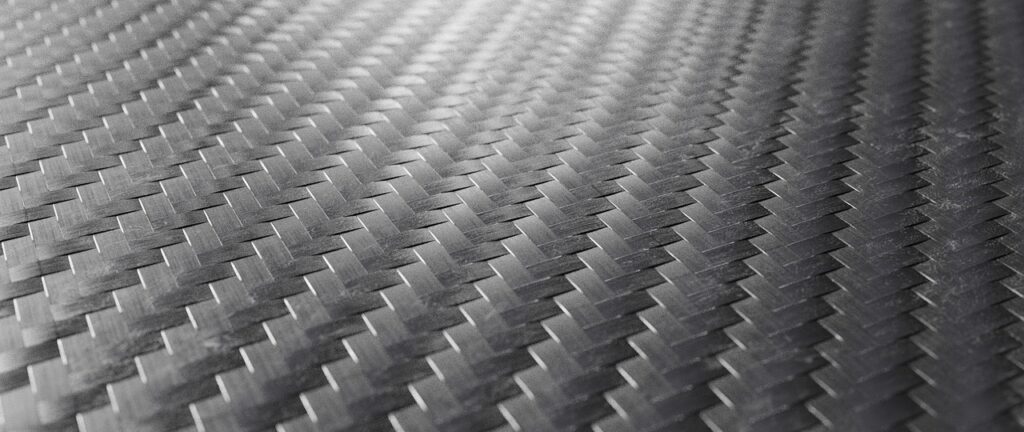
Woven carbon fiber fabric is flexible and familiar. Plain weave gives stability. Twill drapes better and looks nicer on visible panels. UD fabric puts strength in one direction, which is useful for beams, spars, and leaf springs. Prepreg gives cleaner resin control and better repeatability, but it needs controlled storage and processing. Pultruded carbon fiber profiles fit rods, strips, tubes, and stiffeners where cross-section stays consistent.
Resin System and Processing Method
If you buy prepreg or finished parts, match the resin to your process. Epoxy is common for high-strength laminates. Thermoplastic systems can bring faster forming and better impact behavior, though tooling and temperature needs can be tougher. Autoclave, oven cure, vacuum bagging, compression molding, RTM, and filament winding each create different requirements. Give the supplier your process window early, not after the quote.
How Do Public Market Data Change Your Sourcing Plan?
Market data cannot pick a supplier for you, but it can explain why lead times, prices, and availability move. Carbon fiber sits between advanced materials and energy-intensive manufacturing, so capacity shifts and end-market demand can affect even a small buyer.
Stable Demand and More Asian Capacity
The American Composites Manufacturers Association reported in its 2025 State of the Industry Report that global carbon fiber market growth remained stable in 2024. The same report also noted a major competitive shift, with China reaching about 45% of worldwide carbon fiber capacity in recent years. For buyers, the conclusion is practical: your shortlist should not be limited to one country, but quality checks must be tighter when new capacity enters the market. (acmanet.org)
Aerospace and Vehicle Lightweighting Pressure
Demand is not only about fashionable black weave. In commercial aircraft, Airbus states that the A350 airframe uses over 70% advanced materials, including 53% carbon fiber reinforced polymer in the fuselage, wings, and tail. That is a clear example of why certified, repeatable composite supply matters in high-value sectors. (airbus.com)
Automotive data also explain the pull toward lightweight materials. The U.S. Department of Energy says a 10% reduction in vehicle weight can lead to a 6% to 8% fuel economy improvement, and lightweight materials can cut body and chassis weight by up to 50% in some cases. This does not mean every car part should use carbon fiber, but it shows why buyers keep testing CFRP where weight pays back. (energy.gov)
Price Risk, Energy Use, and Recycling
Carbon fiber is not a simple commodity like a common plastic pellet. Oak Ridge National Laboratory notes that current carbon fiber and carbon fiber composite manufacturing methods tend to be slow and energy intensive. It also points out that reuse of existing fiber material can reduce cost and improve sustainability. When suppliers offer recycled carbon fiber or low-waste prepreg cutting, ask for mechanical data rather than a green claim only. (ornl.gov)
What Quality Tests Should You Request Before Bulk Orders?
A sample order should answer technical questions, not just look pretty in a photo. Before you approve bulk production, ask for tests that match your end use. If the part carries load, cosmetics alone mean almost nothing.
Tensile Data and Fiber Volume Checks
For raw fiber or fabric, request tensile strength, tensile modulus, elongation, density, filament count, and tow linear density. For cured laminates, ask for fiber volume fraction, void content, tensile properties, flexural properties, and interlaminar shear strength. If your product works under heat, ask for Tg and thermal aging data. One small but useful habit: compare the supplier’s test method with your drawing. ASTM, ISO, and in-house methods can give different results. See also: Application.
Weave, Areal Weight, and Visual Defects
For fabric, check areal weight tolerance, width tolerance, roll length, edge quality, broken filaments, fuzz, contamination, gaps, and pattern skew. A 200 gsm twill fabric with poor edge control can waste material during cutting. That waste becomes real money, especially in cosmetic parts where the visible face must line up cleanly.
Trial Parts and Batch-to-Batch Control
Whenever possible, mold a trial part before signing a large order. The laminate may reveal problems that flat fabric inspection misses. Watch resin wet-out, drape, springback, print-through, pinholes, delamination, and machining behavior. Then ask the supplier how they keep the next batch the same. Batch-to-batch control is where reliable carbon fiber manufacturers separate themselves from simple traders.
How Can You Compare Carbon Fiber Manufacturers Beyond Unit Price?
The lowest unit price can be a trap. Carbon fiber is expensive enough that scrap, storage, labor, and delays can wipe out a small price advantage. A better comparison uses landed cost and production yield.
Total Landed Cost and Yield Loss
Build a quote sheet with material price, packaging, freight, duty, bank fees, inspection cost, sample cost, cold-chain cost if needed, and expected waste. For example, if a fabric is 4% cheaper but creates 8% cutting waste from skew or defects, it is not cheaper. For prepreg, expired shelf life is another hidden cost. A roll that arrives with only two weeks left may be almost useless for a busy workshop.
Communication Speed and Technical Support
Good technical communication is a buying advantage. Send the same technical questions to each supplier and compare the answers. Can they explain resin content, cure cycle, fiber orientation, storage, and test standards in plain English? Do they reply with real documents or only short promises? A fast reply is nice; a correct reply is better.
Packaging, Shelf Life, and After-Sales Handling
Carbon fiber fabric should be packed to prevent crushing, moisture, dust, and edge damage. Prepreg needs temperature control, clear shelf-life labels, and shipping records. Finished composite parts need foam, fixtures, or crates that protect edges and surfaces. Ask what happens if material arrives damaged. The answer should include photos, inspection steps, replacement timing, and responsibility, not vague comfort words.
How Should You Shortlist Suppliers for an RFQ?
Your RFQ should make suppliers compete on the same facts. If the request is vague, quotes will be impossible to compare. A clear RFQ also tells serious manufacturers that you know what you are buying.
Application Brief with Hard Numbers
Share the product form, target grade, tow size, areal weight, width, resin system, annual quantity, trial quantity, drawing tolerances, test standards, packaging needs, and delivery country. If the part is visible, add photos of the surface standard. If it is structural, add the load case or minimum mechanical values. You do not need to reveal private design secrets, but you must give enough detail for a serious quote.
Sample Plan and Approval Gate
Set a sample plan before price talks go too far. A simple approval path can look like this:
- Step 1: Document review, including data sheet, certificates, and packing method.
- Step 2: Small sample for visual check, cutting, drape, and basic processing.
- Step 3: Trial production part with test data and defect review.
- Step 4: Pilot order with full batch traceability.
- Step 5: Bulk order after stable pilot results.
This may feel slow, but it is faster than fixing a container of wrong material.
Contract Terms and Risk Control
Write down grade, tolerance, test method, packing, shelf life, delivery term, payment term, change notice, claim window, and replacement rule. If your application is sensitive, add a rule that the supplier cannot change fiber source, sizing, resin, or process without written approval. Also consider third-party inspection for the first bulk order. It is not dramatic. It is just sensible sourcing.
FAQ
Q1: How Many Carbon Fiber Manufacturers Should You Shortlist? A: Three to five serious suppliers is usually enough for an RFQ. More than that can slow review, unless you are mapping a new market.
Q2: Is a Trading Company Always Worse Than a Factory? A: No. A good trader can help with mixed products and smaller orders. For technical or safety parts, though, you still need direct factory data and traceability.
Q3: What Is the Most Important Document Before Sampling? A: The technical data sheet comes first, followed by certificates, batch records, and test methods. Without data, a sample is only a nice-looking piece of material.
Q4: Should You Choose Prepreg or Dry Carbon Fiber Fabric? A: Choose prepreg when resin control and repeatability matter. Choose dry fabric when your process uses infusion, wet layup, or you need more storage flexibility.
Q5: How Can You Reduce Risk With a New Supplier? A: Start with document checks, small samples, trial parts, and a pilot order. Keep the first bulk order moderate until quality and communication stay stable.