Is a Composite Curing Autoclave Still the Best Choice for Aerospace Parts?
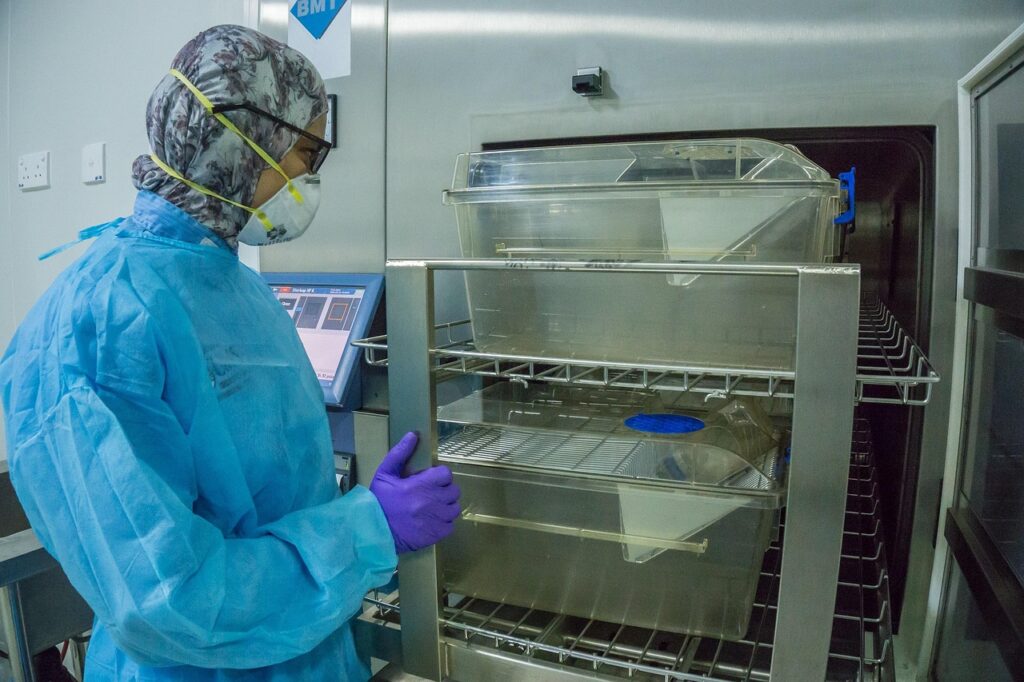
Is a Composite Curing Autoclave Still the Best Choice for Aerospace Parts?
A composite curing autoclave is still one of the most trusted tools for making high-performance carbon fiber and fiberglass parts. If you work with prepreg, aerospace panels, pressure vessel shells, UAV structures, or precision industrial laminates, the autoclave gives you controlled heat, vacuum, and pressure in one closed system. For more material processing topics, you can visit the Processes section.
The big question is not whether autoclaves work. They do. The real question is whether an autoclave fits your part size, resin system, qualification route, budget, and production rhythm. Autoclave curing can look simple from the outside, a part goes in and a finished laminate comes out. On the shop floor, though, a small vacuum leak, a cold corner, or a late freezer log can change the part result.
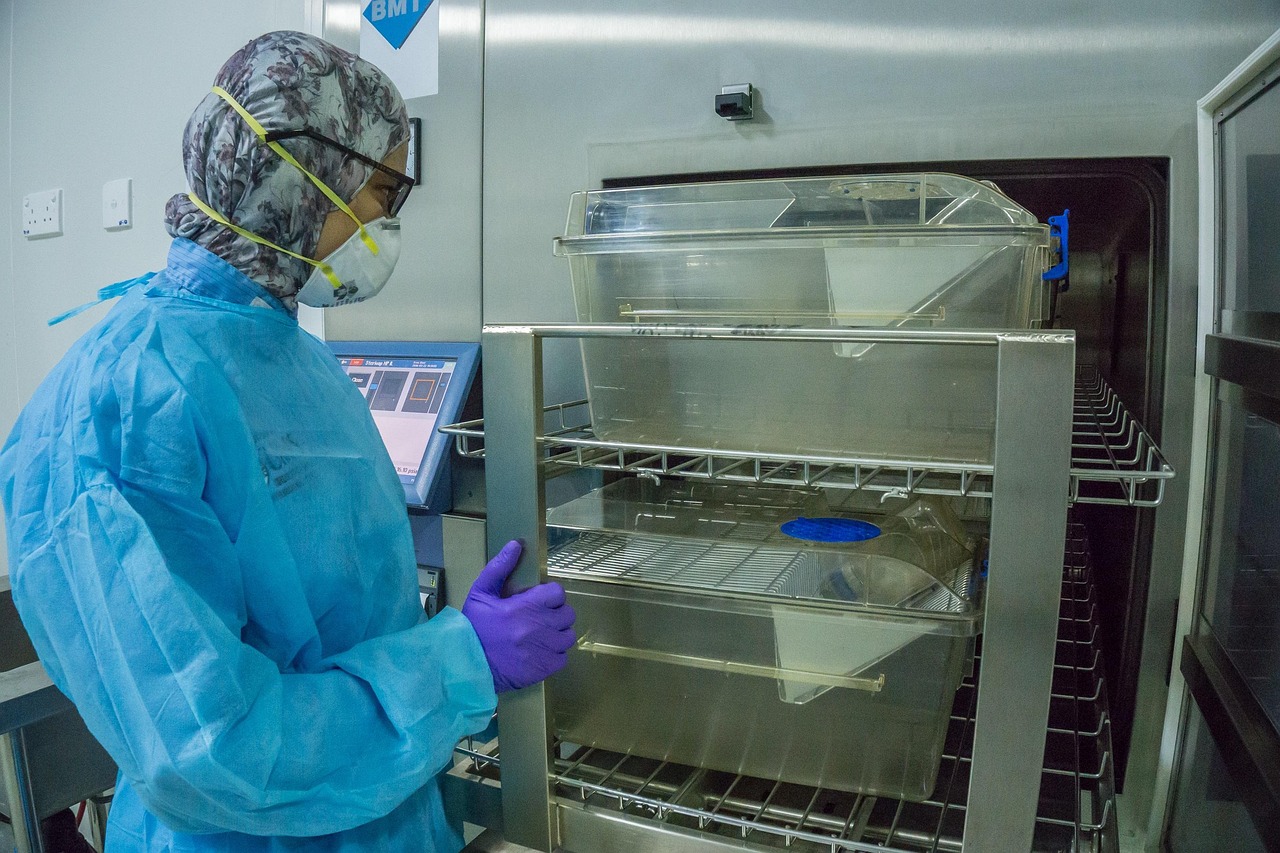
What Does a Composite Curing Autoclave Actually Do?
An autoclave is a pressure vessel built for repeatable composite cure. It does not just heat a part. It controls the full environment around the laminate while the resin flows, gels, and hardens.
Heat, Pressure, Vacuum, and Time
The basic recipe is heat plus pressure plus vacuum plus time. Heat starts and drives the resin cure. Vacuum removes air and volatiles from the bagged layup. External gas pressure compacts the stack and helps close tiny voids. Time gives the resin enough dwell to reach the required cure state. A 2026 review in Fibers reports that autoclave processing for CFRP prepreg commonly uses about 120 to 180 °C and 0.5 to 0.7 MPa, with fiber volume fractions often above 60% and void contents routinely below 1% when the process is well run. (mdpi.com)
Prepreg Layup Inside a Sealed Pressure Vessel
Most high-end autoclave jobs start with prepreg. The fiber already carries a measured resin content, so your team focuses on ply orientation, debulking, tool cleanliness, edge treatment, and bagging. Once the layup is sealed, the tool goes into the autoclave. The system follows a cure profile with ramp rates, dwell points, pressure steps, and vacuum hold checks.
Cure Logs That Turn a Part into Traceable Hardware
Good autoclave work leaves a paper trail, or more likely, a digital one. Temperature channels, pressure history, vacuum readings, alarm records, operator notes, and material batch data become part of the manufacturing record. That record matters when a customer asks why one serial-numbered part should be trusted in flight, at sea, or in a high-speed machine.
Why Does Autoclave Curing Still Matter for High-Performance Parts?
Autoclave curing remains valuable because many composite parts are process-sensitive. The same fiber and resin can give different mechanical behavior if cure, compaction, storage, or handling changes too much.
Low Voids and Strong Laminate Consolidation
Voids are not just cosmetic. They can cut interlaminar strength, invite moisture, and make inspection harder. Autoclave pressure helps squeeze the laminate while resin viscosity drops during heat-up. That is why the process is still linked with low-void aerospace laminate production, especially for primary or safety-related structures. A part with clean consolidation is easier to qualify and less likely to surprise you after machining.
Repeatable Results for Aerospace Qualification
The FAA’s AC 20-107B, first issued in 2009 and still used as core guidance with later updates, states that final composite mechanical behavior may vary greatly with processing methods. It also stresses approved material and process specifications, control of key parameters, and representative qualification testing. The practical lesson is clear: if your customer needs certification-style evidence, cure repeatability is not a nice extra. It is part of the product. (faa.gov)
Better Control for Thick or Complex Laminates
Thick laminates, co-cured stiffeners, sandwich panels, and curved tools are less forgiving than flat coupons. Heat moves at different speeds through the tool, bag stack, core, and laminate. A controlled autoclave, with enough thermocouples and a conservative ramp, helps you catch these differences before they turn into resin-rich zones, dry corners, print-through, or spring-in beyond tolerance.
How Do You Pick the Right Autoclave Cure Cycle?
The cure cycle should never be a guess copied from a similar part on a busy afternoon. Start with the resin supplier’s data, then prove the cycle on your own tool, ply count, and part geometry.
Resin Supplier Data as the Starting Point
Supplier cure sheets usually give a recommended ramp rate, dwell temperature, dwell time, vacuum level, pressure range, and storage limits. Treat those values as the starting line. They do not replace trial panels or production validation. If the part is thick, highly contoured, or bonded to core, the real laminate temperature may lag behind the autoclave air temperature.
Ramp Rates, Dwell Time, and Exotherm Control
Fast heating saves time, but it can trap volatiles or create exotherm in thick sections. Slow heating adds cost, but it may give resin more time to flow and breathe. For many plants, the best cycle is not the fastest published cycle. It is the one that gives stable parts with low scrap, good inspection results, and a schedule the production team can actually repeat.
Thermocouple Placement and Vacuum Discipline
Thermocouples should read the part, not just the air. Put them near thick zones, edges, tooling masses, and suspected cold spots. Vacuum discipline is just as plain and just as important. A bag that holds vacuum before loading can still fail after heat softens tacky tape. Anyone who has chased a tiny leak around a flange knows this is not glamorous work, but it pays back fast.
What Problems Can Ruin an Autoclave Cure?
Most cure failures come from boring details. Bag leaks, poor debulk, wrong material age, weak thermocouple contact, and dirty tool surfaces cause more trouble than dramatic machine failure.
Leaks, Bridging, and Poor Bagging Practice
A vacuum bag must allow compaction everywhere. If the bag bridges in a tight radius, pressure may not reach the laminate evenly. If breather paths are blocked, trapped air has nowhere to go. Use enough pleats, check the seal twice, protect sharp corners, and avoid resin dams that choke vent paths. A small wrinkle at the bag edge can ruin a Friday afternoon shift.
Cold Spots, Overshoot, and Thick Part Exotherm
Large tools can heat slowly. Thin edges may heat faster than thick bosses. If the control thermocouple sits in the easiest zone, the hardest zone may not fully cure. Overshoot is also risky. A short spike above the resin limit can change flow, gel time, or surface finish. For thick carbon epoxy laminates, exotherm deserves extra care because the part can become hotter than the chamber air.
Expired Prepreg and Out-Time Drift
Material age is a real process variable. NASA’s 2011 comparison of autoclave and out-of-autoclave composites tested prepreg out-time about 50% beyond supplier limits. Early results showed the OOA prepregs lost laminate quality and mechanical performance after extended out-time, while OOA materials performed similarly to autoclaved composites when processed within a few days of shop exposure. The takeaway is simple: freezer logs and out-time sheets are not paperwork theater. (ntrs.nasa.gov) See also: Application.
Is Out-of-Autoclave Curing a Better Choice?
Out-of-autoclave processing has improved a lot, and it is not a second-rate answer by default. It can be the right route when part size, capital cost, or energy use matters more than maximum autoclave-style compaction.
Good Fit for Large or Cost-Sensitive Structures
OOA prepregs, vacuum-bag-only oven cures, resin infusion, and RTM can cut equipment cost and remove chamber-size limits. For wind blades, marine parts, rail panels, large fairings, and some aircraft secondary structures, that freedom can matter more than squeezing the last decimal point of void content. You still need process control, just with different failure modes.
Clear Limits for Primary Load Paths
Autoclave curing still has a strong case when the part carries primary loads, faces strict inspection, or needs a long certification trail. NASA’s HiCAM project update from June 2026 shows why the industry keeps studying faster composite production. The project gathered about 150 people from a 22-member public-private partnership and is planning large composite fuselage barrel and wing box demonstrations in 2028 and 2029. Faster methods are coming, but proven quality remains the gatekeeper. (nasa.gov)
Practical Buying Decision for Your Plant
If your parts are small, high-value, and qualification-heavy, an autoclave often makes sense. If your parts are huge, price-sensitive, or less structurally critical, OOA may win. Many serious composite shops use both. The smart question is not autoclave versus OOA in a vacuum. It is which process gives your customer the needed part quality at a cost your plant can live with.
How Should You Specify an Autoclave for Production?
Buying an autoclave is not just choosing diameter and length. You are choosing the process window your plant will live inside for years. Leave room for the next tool, not just today’s drawing.
Working Zone, Door Style, and Tooling Clearance
Check usable working diameter, not only vessel diameter. Tool frames, carts, vacuum lines, thermocouple cables, and lifting points all steal space. A door that looks fine in a brochure may slow loading if the shop aisle is tight. For long parts, rail alignment and cart stiffness can be just as important as chamber length.
Control Accuracy, Data Logging, and Safety Systems
Ask for clear control specs, sensor types, pressure ratings, heating method, cooling rate, vacuum ports, and data export format. Production teams usually need trend charts, alarms, user access control, and batch reports. Safety items include pressure relief, door interlocks, over-temperature protection, emergency stops, and regular inspection plans. Do not treat these as accessories.
Service Support, Calibration, and Future Capacity
A good machine still needs service. Before purchase, check spare part lead time, calibration support, controller brand, seal replacement, fan motor access, and local code requirements. A simple checklist helps:
- Largest tool size plus handling clearance
- Required cure temperature and pressure range
- Number of vacuum and thermocouple channels
- Cooling needs for production takt time
- Data records required by your customer
- Maintenance access around the installed vessel
The right composite curing autoclave should fit your materials, your people, and your inspection route. A cheap vessel that creates scrap is not cheap. A large, well-specified system that sits half empty can also drain cash. Match the machine to real parts, real cycle times, and real quality requirements.
FAQ
Q1: What Is a Composite Curing Autoclave? A: It is a pressure vessel that cures composite laminates with controlled heat, external pressure, vacuum, and time. It is widely used for prepreg carbon fiber and fiberglass parts that need high consolidation and repeatable quality.
Q2: What Temperature Does a Composite Autoclave Use? A: Many aerospace prepreg systems cure around 120 to 180 °C, but the exact temperature depends on the resin system. Always follow the material supplier’s data and validate the cycle on your part and tool.
Q3: Why Is Pressure Important During Composite Cure? A: Pressure compacts the laminate, helps remove trapped air and volatiles, improves ply contact, and supports lower void content. Vacuum alone may not give the same compaction for demanding prepreg parts.
Q4: Can Out-of-Autoclave Parts Replace Autoclave-Cured Parts? A: Sometimes, yes. OOA materials can work well for large, lower-cost, or less critical structures. For primary aerospace parts or strict qualification programs, autoclave curing often remains the safer process choice.
Q5: How Do You Reduce Scrap in Autoclave Curing? A: Control material out-time, use clean tools, debulk carefully, check vacuum leaks, place thermocouples in meaningful locations, review cure logs, and train operators to treat bagging as a critical process, not a side task.